Reinforced Stereotypes of Mexican Culture created through the U.S. Food Industry
This research investigates the intricate relationship between food, history, and cultural formation, with a specific focus on Tex-Mex cuisine. This research proposes the question: How have food industries and corporate advertising in the U.S. led to cultural misappropriation of Mexican stereotypes?
The research begins by exploring the profound meaning of food in the context of community building and identity formulation. It further delves into Mexico's national identity, examining the cultural and historical dimensions embedded in its cuisine. Visual advertising within the U.S. food industry is scrutinized, revealing how it has been employed to endorse political or cultural viewpoints. Our exploration extends to cultural representation, globalization, and the role of fine art photography as a form of critical analysis. An introduction sets the stage for a comparative analysis between the McDonalized Taco and the ethos of Slow Food, dissecting the impacts of McDonaldization and the dichotomy between slow and fast food cultures.
Fine art photography becomes a pivotal lens through which the experiences of globalization are examined. The repercussions of misappropriation are scrutinized, emphasizing the misrepresentation's effects on minority groups. Immigrants, in particular, are discussed in the context of displacement, loss, anxiety, and homesickness, with a focus on how food acts as a coping mechanism within these challenges. Through a holistic examination of Tex-Mex cuisine, this thesis contributes to a deeper understanding of the intricate interplay between visual imagery, food, cultural identity, and globalization. By uncovering the multifaceted aspects of culinary representation, the research sheds light on the complexities of cultural assimilation, providing valuable insights into the coping mechanisms employed by communities facing challenges of visual misappropriation and cultural displacement.
Abstract
Introduction
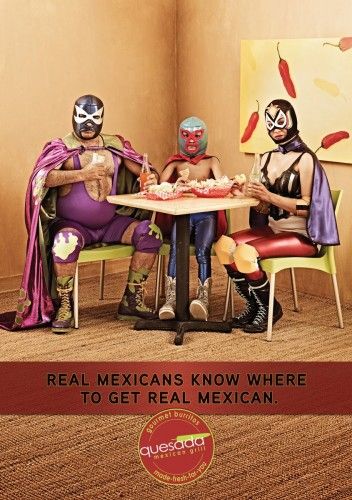
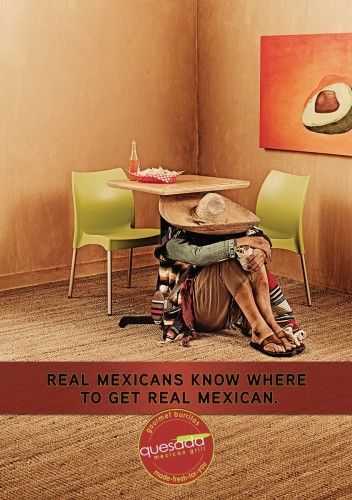
However, the U.S. food industry has had its share of challenges and controversies related to cultural misrepresentation and the perpetuation of stereotypes by appropriating dishes and ingredients from various cultures without proper acknowledgment or respect for their origins. By recontextualizing ethnic foods to fit into the structure of fast food production, the industry has removed the traditions and history that are normally passed down from generation to generation and replaced them with a shorthanded expression of that culture. This can lead to the erasure of the cultural and historical significance of these foods.
A key example of misrepresentation is Mexican cuisine, which is typically placed under an umbrella known as Tex-Mex cuisine. Many restaurants, fast food chains, and products labeled as “Mexican” actually fall under Tex-Mex cuisine. Americans have become accustomed to seeing Tex-Mex passed off as traditional Mexican food. As a result, they perceive ingredients and traditions as being traditionally Mexican when, in reality, they are American-influenced. This frequently leaves Mexicans displaced with feelings of homesickness and alienation. This misrepresentation can lead to misunderstandings and a lack of appreciation for the richness and diversity of Mexican cuisine and culture. Aside from language, food is an accessible starting point for communication and social interaction that everyone can relate to (Drechsler, 2017).
Food can be a medium to explore identity, history, memories, and social interactions, and can even serve as a coping mechanism for homesickness. In a country that is often referred to as a cultural “melting pot,” it would be expected to see a wide array of ethnic foods to be in high demand and consumed. However, the U.S. food industry has had its share of challenges and controversies related to cultural misrepresentation and the perpetuation of stereotypes by appropriating dishes and ingredients from various cultures without proper acknowledgment or respect for their origins

Our Team
John Smith
videographer
John Smith is a passionate videographer with a keen eye for capturing captivating moments. With over five years of experience in the industry, John has developed a unique storytelling style that beautifully combines creativity and technical expertise.
This is a paragraph. Double-click or click edit and enter your own text.
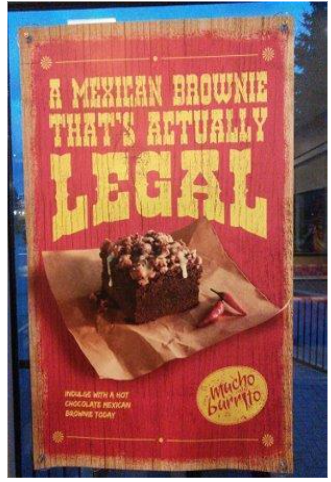
This research investigates how the misrepresentation of food by the U.S. industry perpetuates harmful stereotypes and misperceptions. Mischaracterizing a cuisine with imagery of food and ingredients that are not part of its gastronomical foundation can demean the culture they come from and contribute to a lack of appreciation for their culinary heritage. To promote a more inclusive and respectful appreciation of Mexican cuisine, it is crucial to showcase its authentic elements and celebrate the unique flavors, ingredients, and traditions that make it special. This can help people develop a deeper understanding and respect for Mexican culture and its gastronomic contribution.
This thesis is produced with the intention to spark ideas and conversation about the relationship between cultural identity, stereotypes, and food preparation and presentation, by looking at how different cultures express their identity through cuisine, and how stereotypes can distort such expression. This research questions how and why the American media has used visual communication to shape the condition of cultural misappropriation. The analysis defines concepts of cultural identity, stereotypes, and advertising techniques, using specific examples of how the industry employs the latter to support political or cultural viewpoints within the context of food and culinary culture.

“The moment we accessed Jane's website, we were instantly drawn to her work. Jane is like sunshine; she comes into your life and brings so much light, joy, and energy.“

“Jane’s art is filled with vibrant colors and intricate details that are impossible to miss. Her work is a true reflection of her personality - warm, welcoming, and full of life.“

“The moment we accessed Jane's website, we were instantly drawn to her work. Jane is like sunshine; she comes into your life and brings so much light, joy, and energy.“
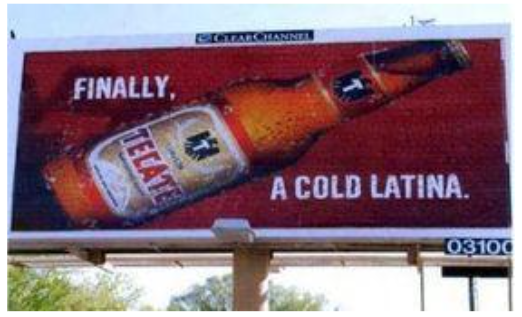
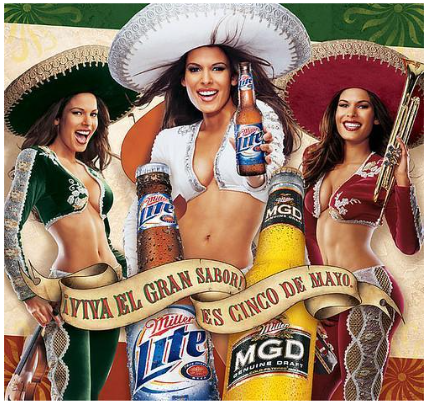
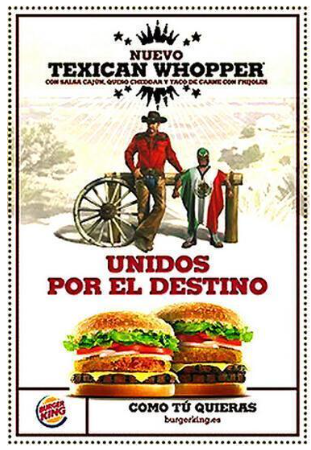
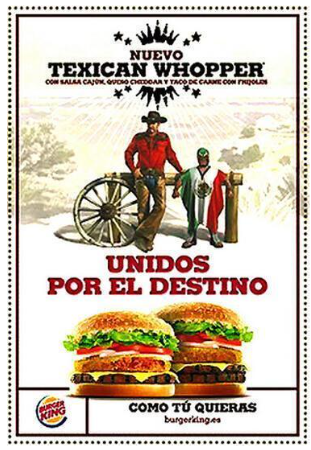
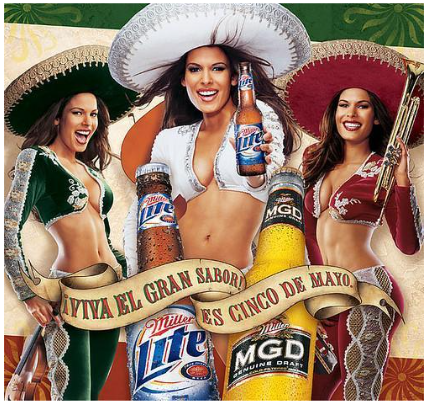
The first chapter of the thesis looks at how food influenced the formation of Mexico’s national identity, the creation of Tex-Mex, and the misappropriation of culture in the U.S. food industry. Through our examination of large companies in the U.S. food industry, including Taco Bell, Chipotle, Miller Lite, and Burger King, we can see how their advertising techniques have been used to support political or cultural viewpoints.
The following chapter focuses on Mexican representation in the U.S. food industry within the context of globalization and industrialization. We begin by taking a historical look at fast food imagery, noting its development and evolution. We narrowed our focus to Mexican food and cultural representation in the U.S., highlighting the issue of cultural misappropriation through food industries and corporate advertising. It also introduces the impact of globalization and industrialization on Mexican culture. The final chapter delves into the repercussions on mental health in minority groups that arise when their cultural identity is not accurately represented in the U.S. media. When cultural misappropriation occurs and leads to a society where minorities face displacement, loss, and a constant struggle to find an authentic representation of their culture, significant social implications can arise, including identity erosion, loss of cultural heritage, and the perpetuation of detrimental emotional and psychological conflicts. These implications can have wide-ranging effects on individuals, communities, and society as a whole.
The thesis concludes by looking at ways in which finding familiar foods through imagery in the food industry functions as a coping mechanism. This familiarity can help with homesickness for people who have immigrated away from their homes in times of crisis, sickness, stress, or anxiety. The chapter examines the emotional and psychological benefits of finding elements of one's culture, even in a commercialized form, in a foreign environment. It highlights ways in which these communities adapt, preserve their culinary traditions, and create spaces for authentic cultural representation. To conclude, the thesis includes a thoughtful reflection on the importance of cultural diversity and sensitivity in a globalized world.
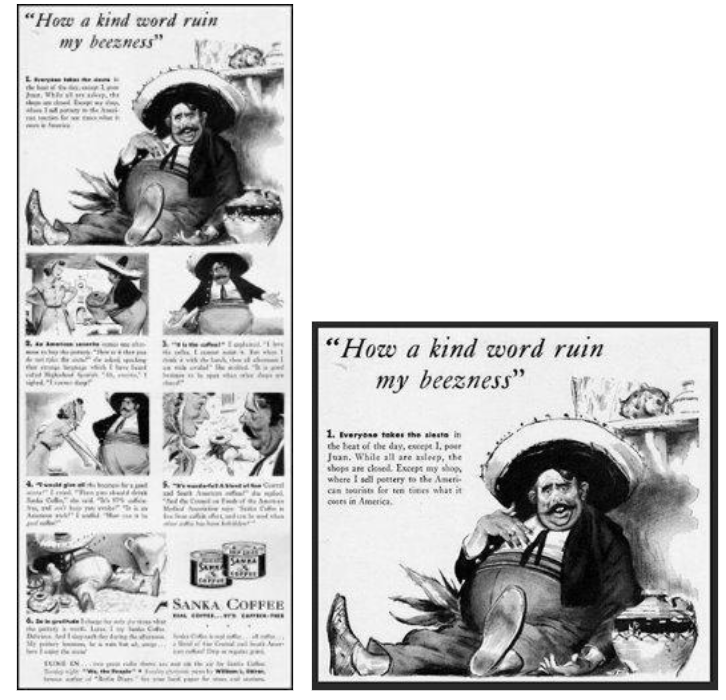
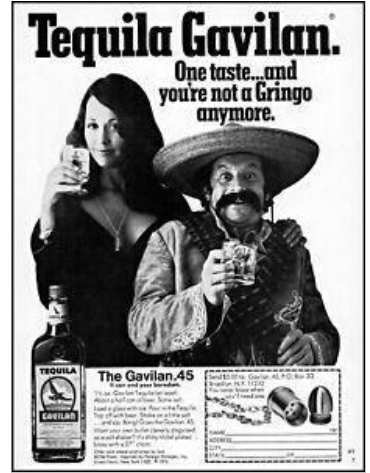
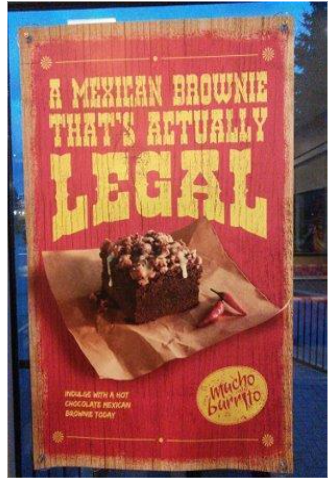
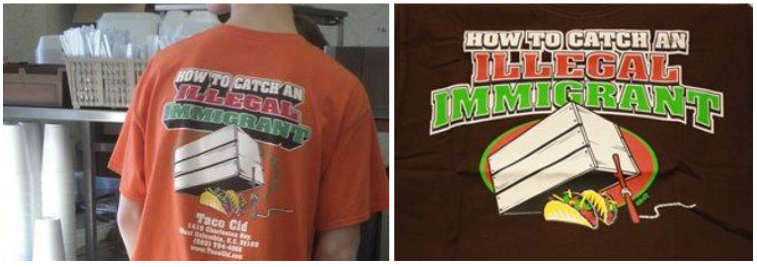
U.S. Food Industry Advertisement examples