Ni Una Más
Raising awareness and advocating for justice in the face of the ongoing femicide crisis in Mexico
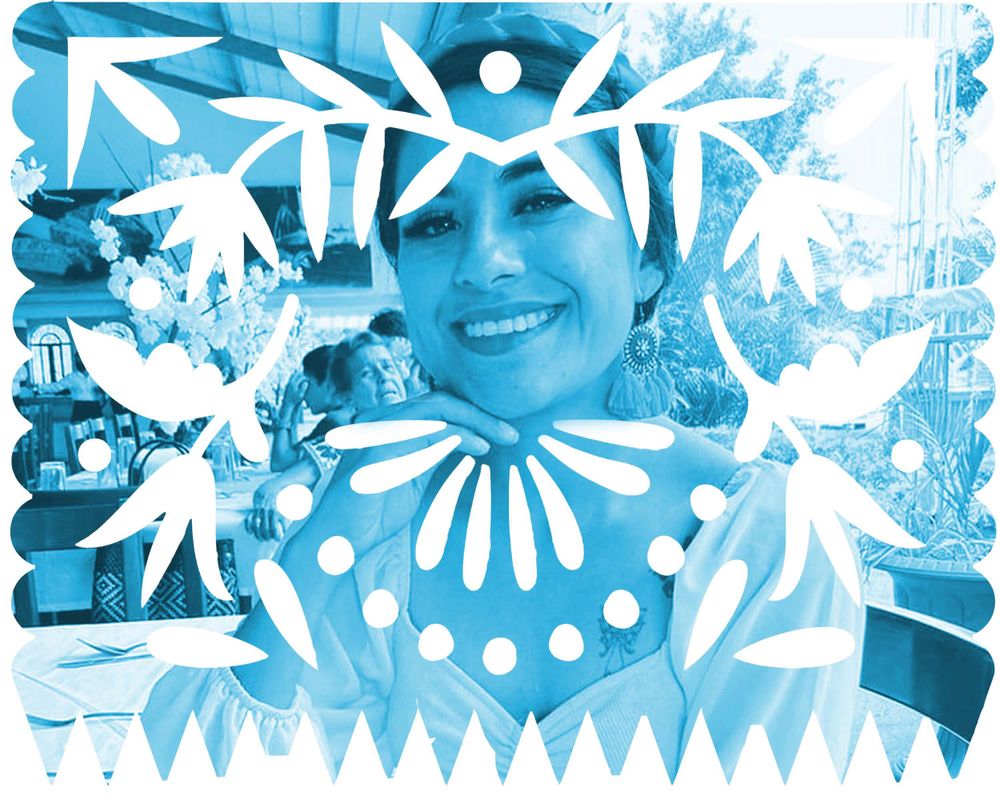

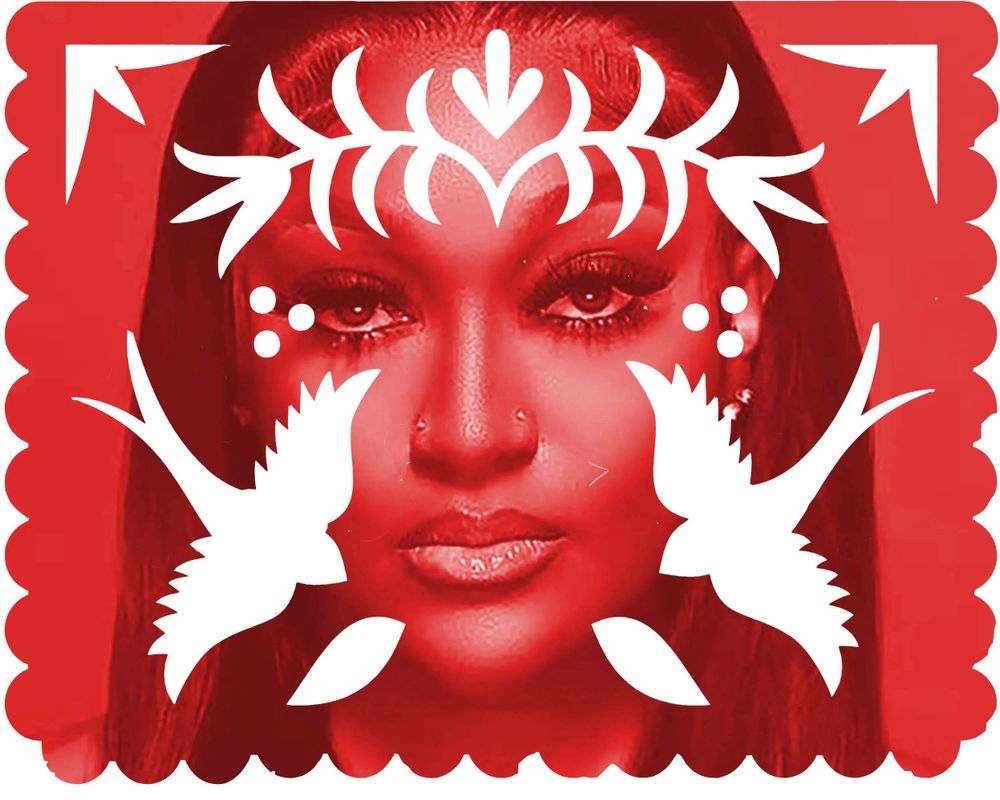
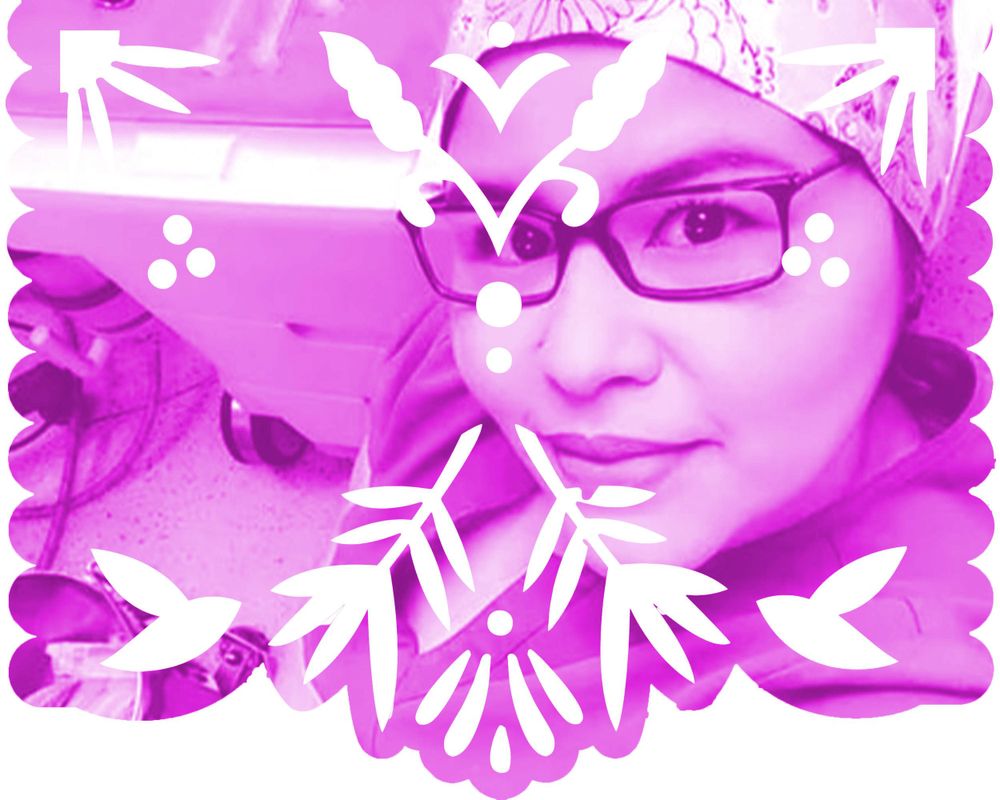
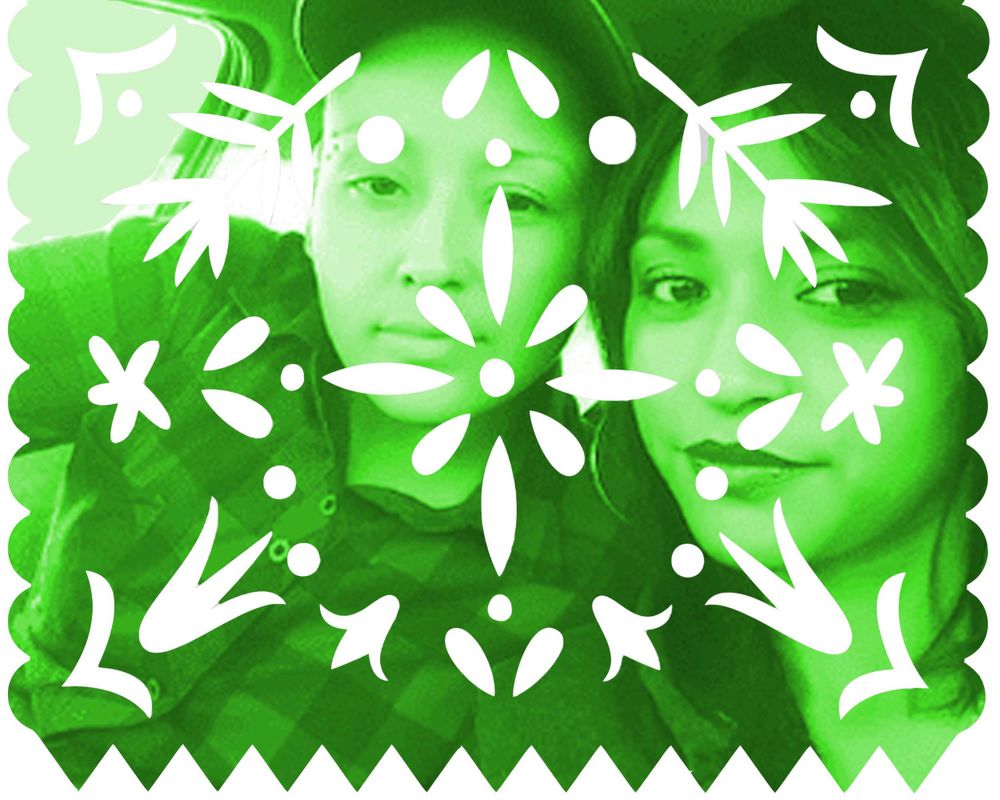

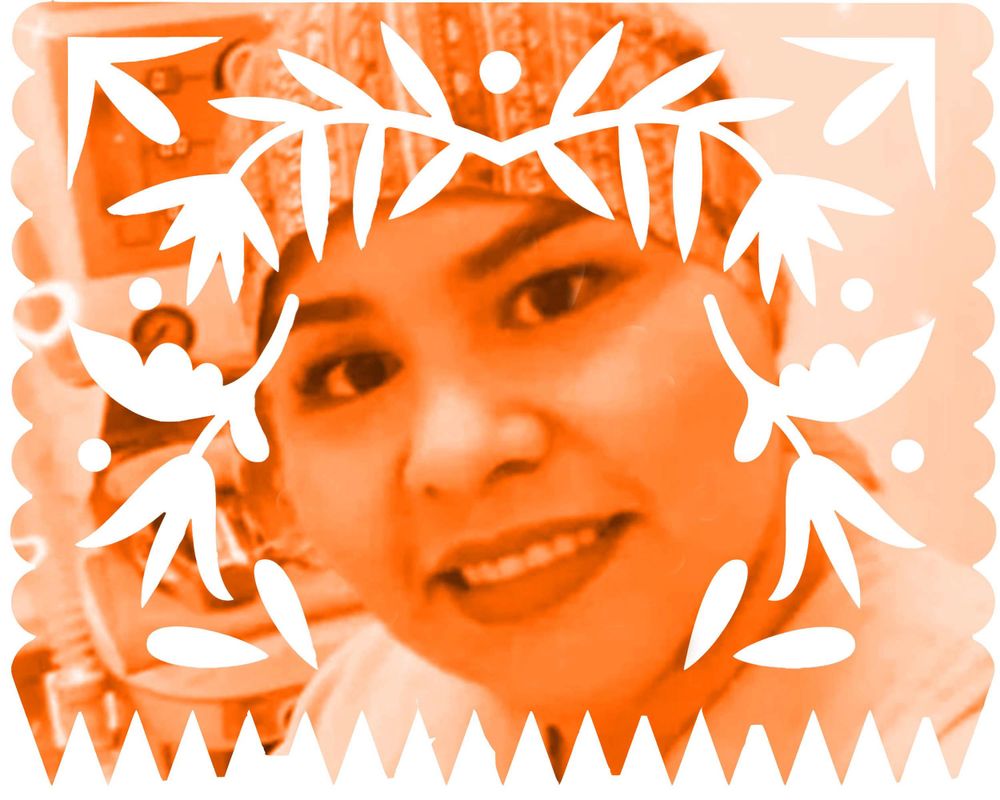
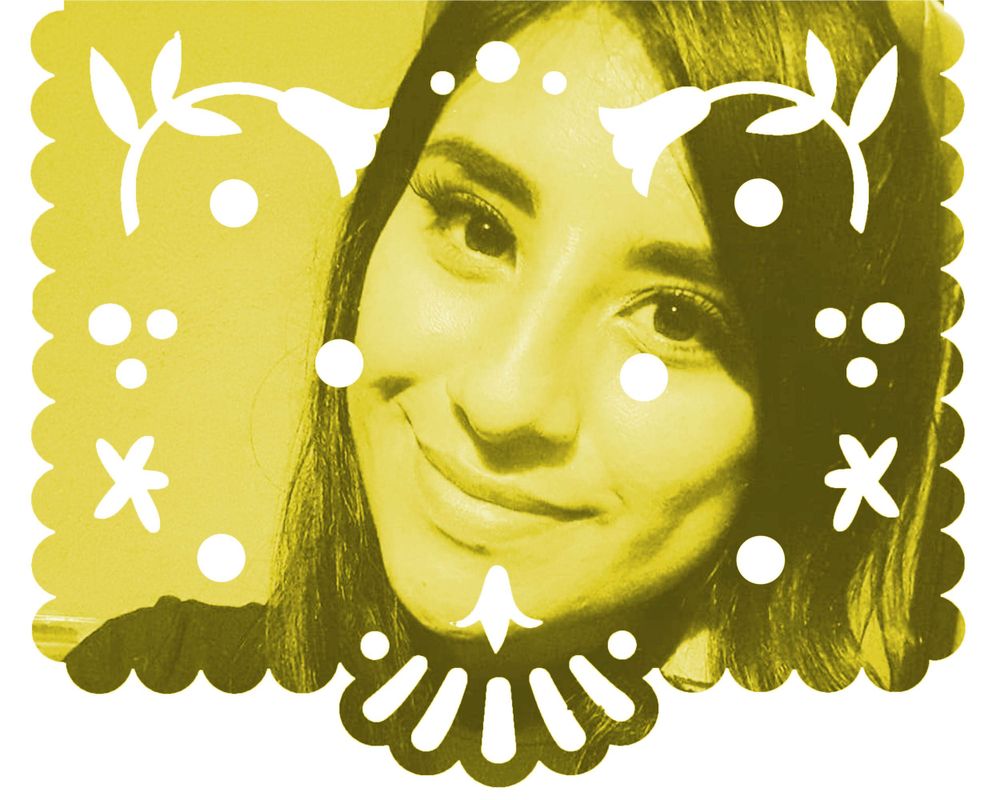







This project, Ni Una Más, reflects on the devastating rise of femicide in Mexico. Mexico's soaring rate of femicide - the killing of women and girls because of their gender - has sparked waves of protests across Mexico and South American countries. Advocacy groups, NGOs, and individuals have been working to raise awareness, demand justice, and push for legislative changes to better protect women. The issue of femicide in Mexico has garnered international attention and concern.
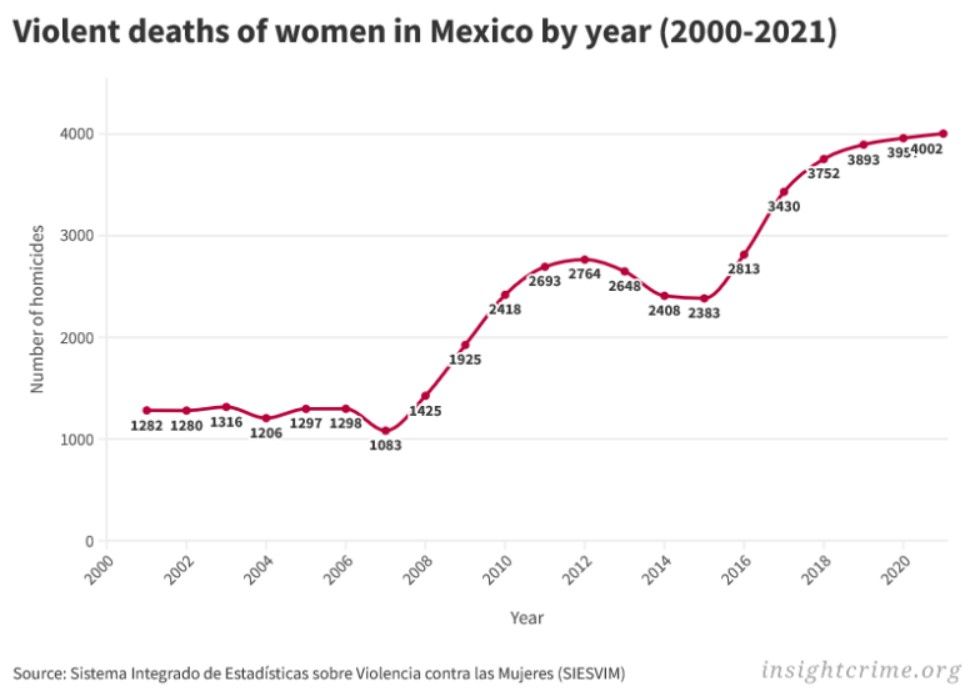
On average, some 10 women are killed every day, and tens of thousands are missing. Femicides often occur within a broader context of violence, including domestic violence, sexual assault, and human trafficking. Women may face threats, coercion, and abuse both within and outside their homes. Many cases go unresolved, and perpetrators often escape justice. This lack of accountability contributes to the perpetuation of gender-based violence.
Ni Una Mas questions the current social acceptance of femicides in Mexico. Why is this a growing issue? What is the data collected on this issue? What social norms led to this rapid growth? What is the government's role in this? Who is fighting back? These are all questions that are being asked throughout the journey of this research and project.
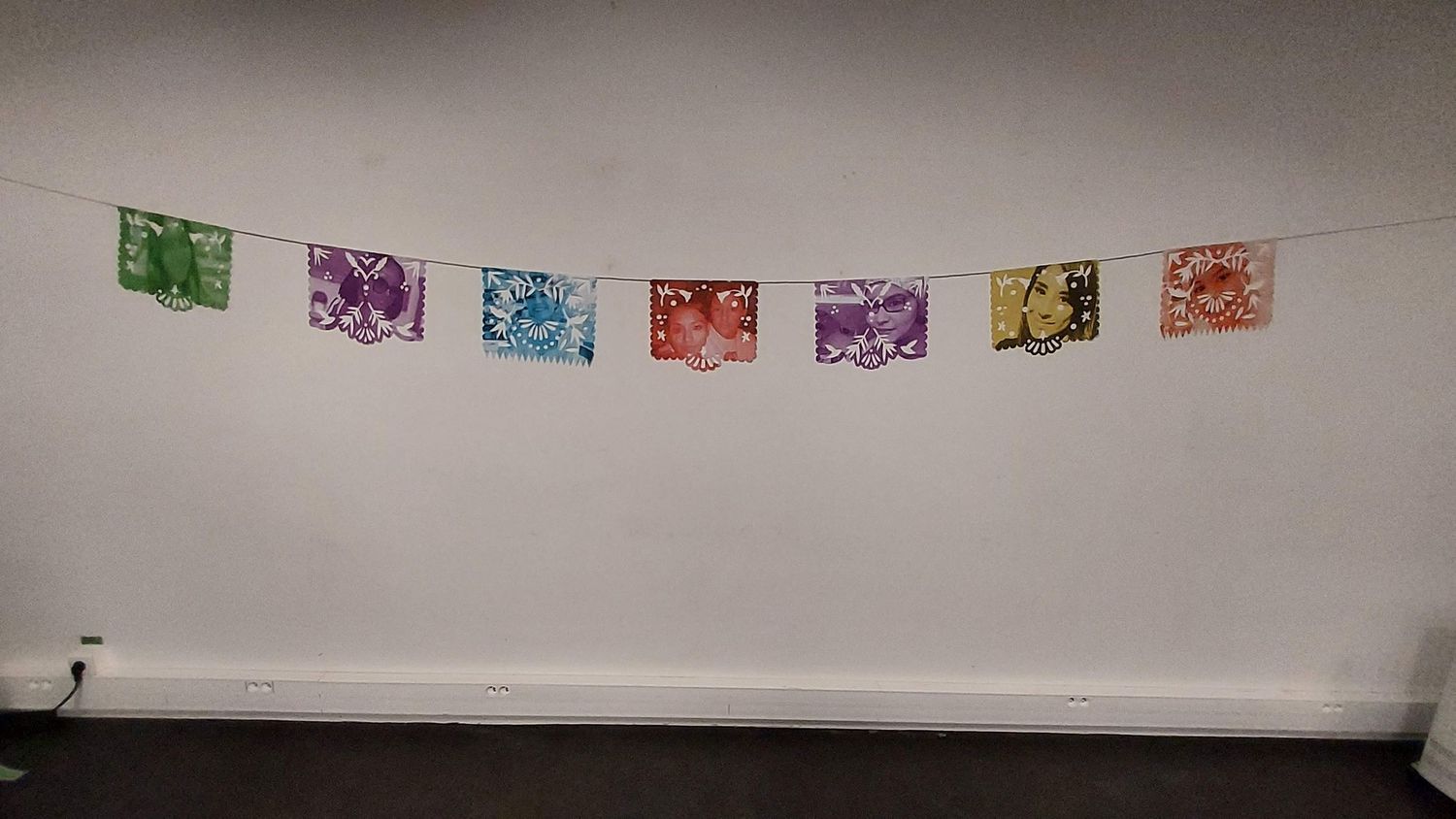
Papel picado is a traditional decorative craft that dates back to the Aztecs. It is often displayed on Día de los Muertos altars and represents the element of wind and the union between life and death. This delicate tissue paper also signifies the fragility of life as it is ephemeral. Papel picado is so commonly seen in public spaces in Mexico, that it can often go overlooked. By incorporating papel picado as the base of this installation, I hope to represent society’s acceptance and complacency to the femicides. It is an incredibly large and serious issue that is present throughout the country, but is overlooked by the government, despite the pleas from citizens through protests. The women in the images are recent victims. The images are sourced from their personal social media pages and news report sites. The images are some of the last selfies and photographs taken of the women.
This project researches some of the main causes for femicides in Mexico. Delving into the data of femicides, social structures surrounding gender roles and machismo, alongside with the governments lack of action, we can draw connections between these three conversations.
Resplandor
The 'Tehuana dress' is the traditional dress of Zapotec women from the Isthmus of Tehuantepec in the Oaxaca region. Tehuantepec was considered - if only to a limited degree - a matriarchal society within a largely patriarchal Mexico. To Frida, the Zapotec women stood as symbols of economic independence and power. There were three key elements of Tehuana dress: the floral headpiece, the heavily decorated I-shaped blouse or square-cut tunic (huipil), and the long skirt.
Frida Kahlo, 'Diego on my mind (Self-portrait as Tehuana)', 1943r
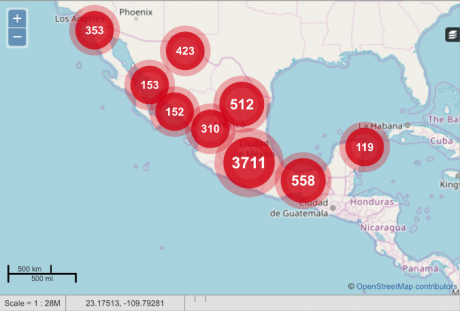
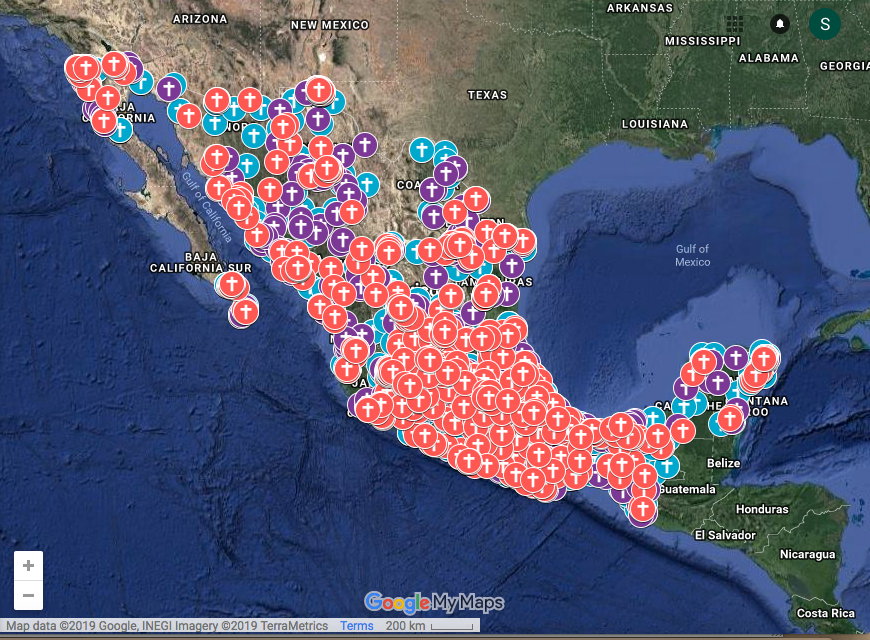
Screenshot of Salguero’s map, taken on 4 December 2018.
Salguero has now recorded and mapped more than 6,000 cases of femicide dating back to 2011. In 27 cases, authorities were unable to establish the woman’s identity. In 70 cases, the victim was a trans woman.
Social Context: Gender roles and Machismo
This is a paragraph. Click edit and enter your own text. You can make changes like making the text bold, underline or italic. This is a great place for you to tell your clients more about your story and to describe the type of photographer you are. You can come back at any time to make more changes.
What is the government's role?
This is a paragraph. Click edit and enter your own text. You can make changes like making the text bold, underline or italic. This is a great place for you to tell your clients more about your story and to describe the type of photographer you are. You can come back at any time to make more changes.
How is the government addressing this issue?
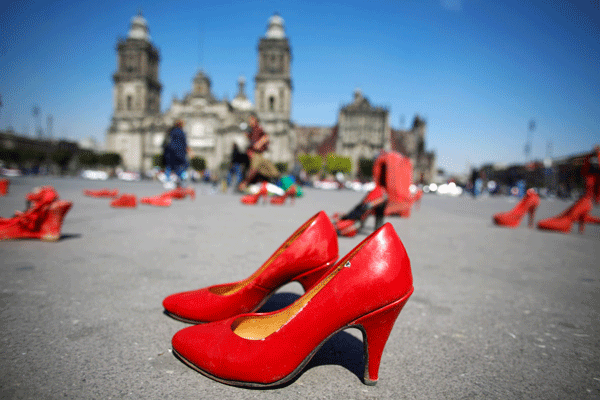
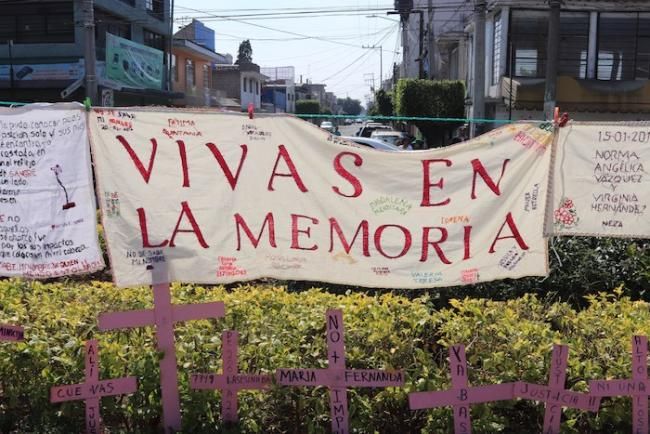
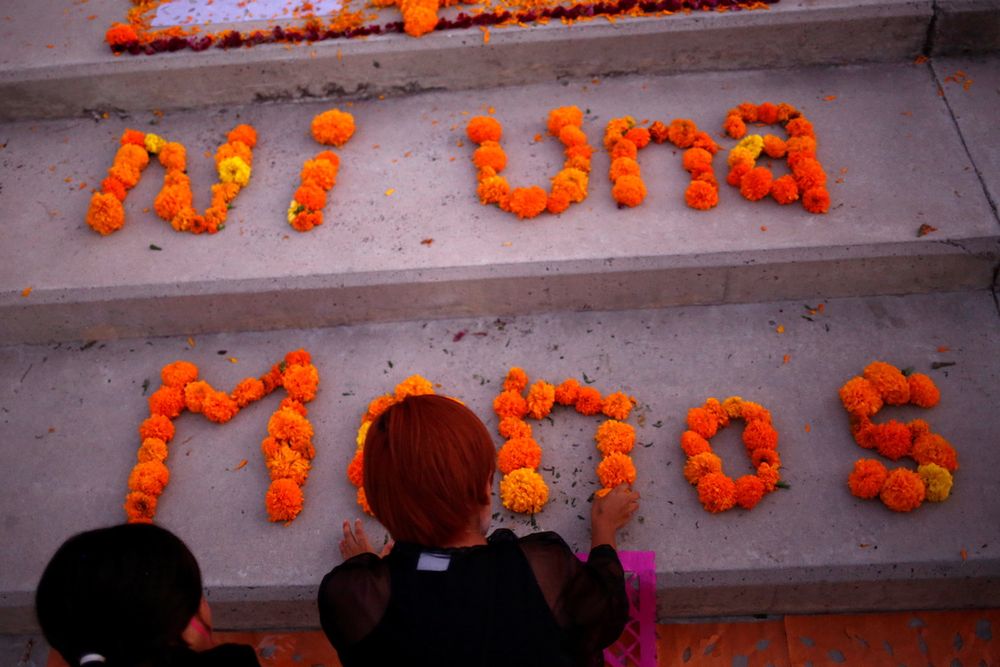
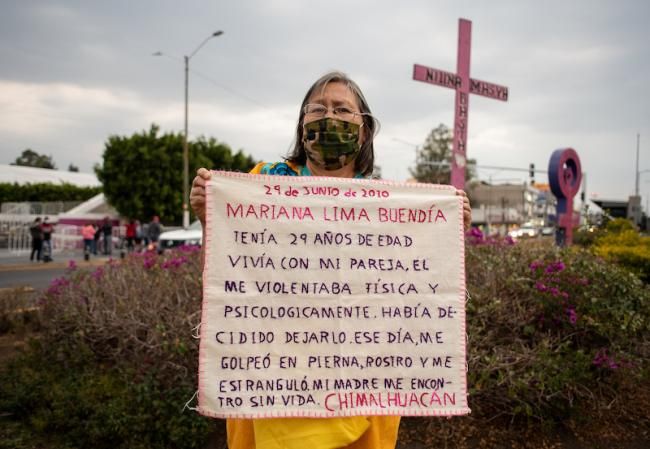
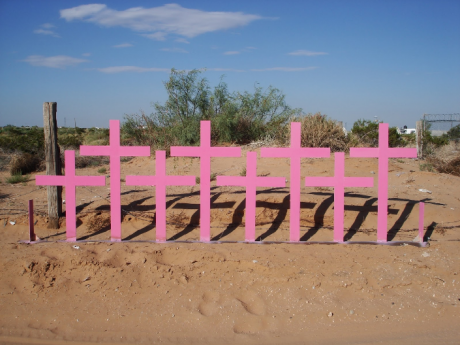
Protestors put pressure on their governments to be proactive and respond to the femicides.
According to government figures, 2,481 women and girls were officially reported as “missing” in 2022, though civil society groups say the real number is higher.
United Nations Human Rights
Who is fighting back?
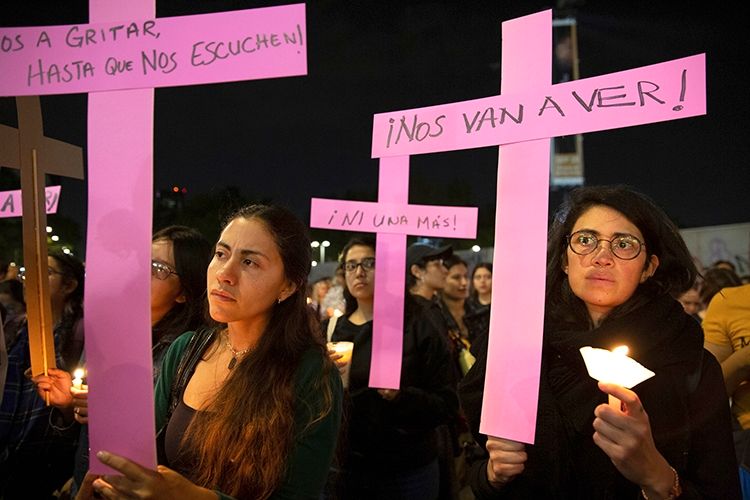
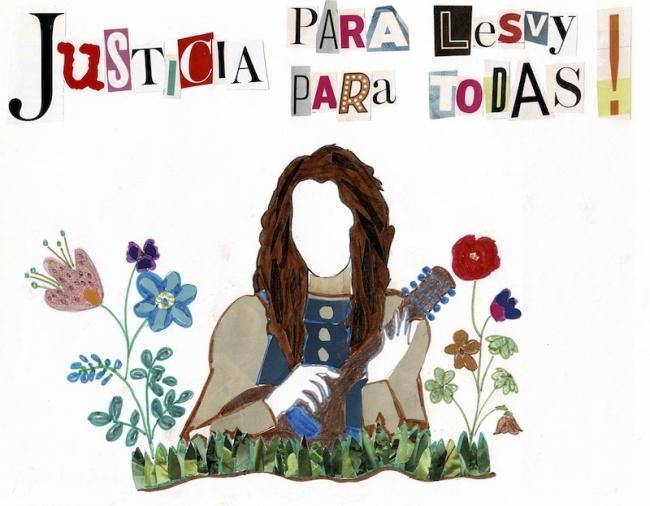
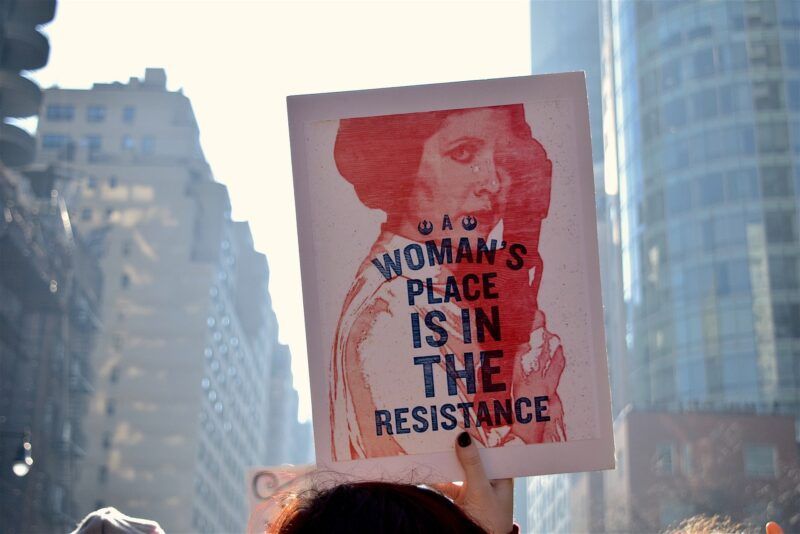
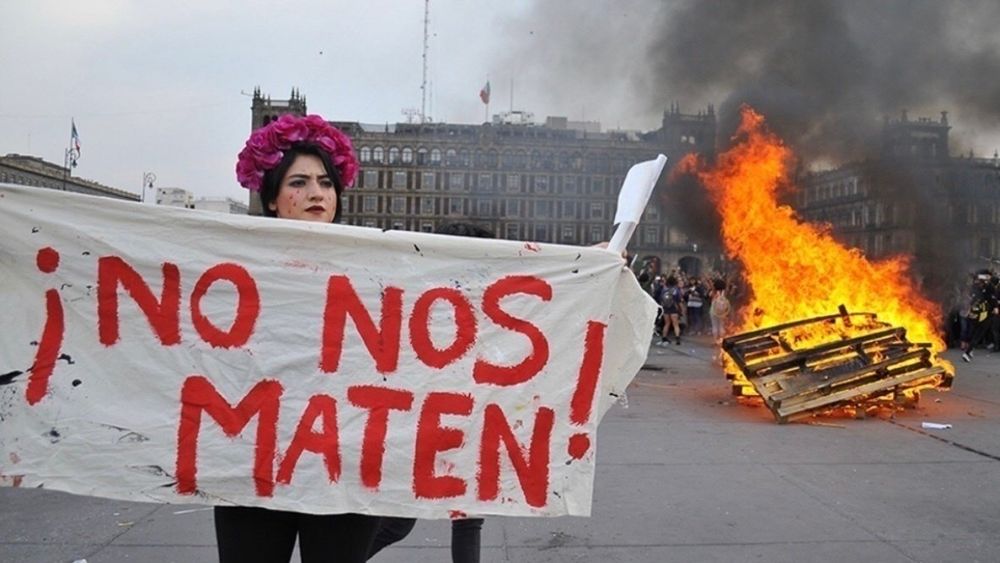
Interventions
"Already, many initiatives are rising up to the occasion to address machismo in the region, country, and continent. Overall, there are three types of interventions that when implemented together can effectively change the notion of patriarchy in Latin America.
First off are legal changes. As we discussed earlier it is necessary to have a clear definition of femicide in combination with indicators to better implement laws. These laws already exist in many countries but differ in their ways to identify and punish femicides. When femicide laws are implemented strictly, legal changes may still be necessary. For example, strengthening gun laws and reducing ownership could benefit since women are three times more likely to be killed when there is a gun in the house.
Secondly, early interventions are needed to address the root of the problem. Interventions may include trainee programmes for health staff, police and justice officials as well as awareness campaings to educate the public. The Mexican organisation GENDES is a great example of how to practically reconstruct beliefs on gender and masculinity. They hold safe and open discussion groups for men where they are educated on nonviolent conflict resolutions and learn how to identify and reflect on gender perspectives.
Lastly, there are multi-agency efforts to assist directly in cases of violence. These actions take form in many ways like 24/7 phone counselling, intervention guides for police staff, enabling emergency restraining orders and protection for victims of domestic violence. "
https://www.windesheim.com/getmedia/442adeeb-ff22-4760-b93b-4e58e42e9b08/Ni-una-mas-Feminists-against-Femicides.pdf